
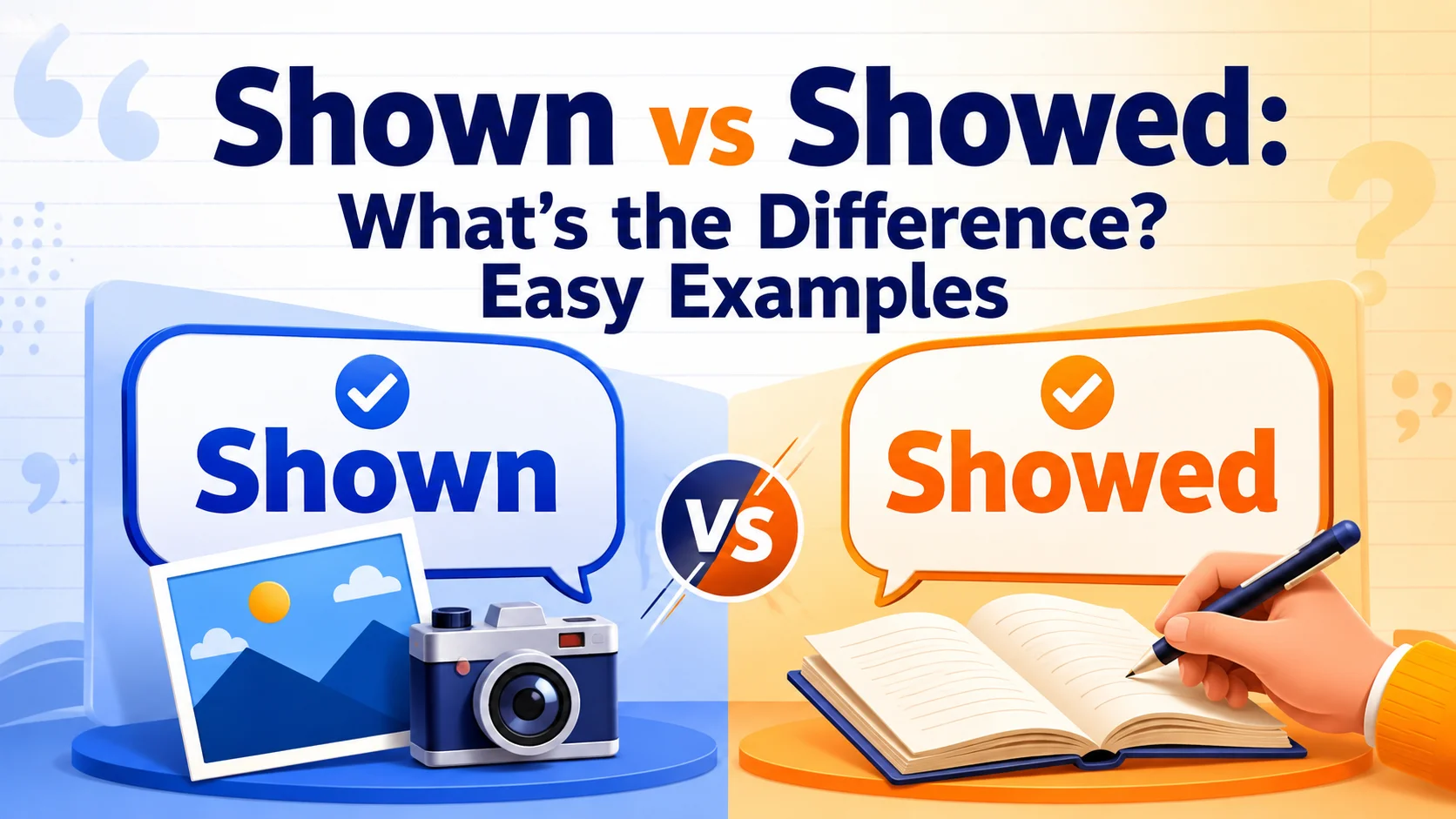
Shown vs. Showed: What’s the Difference? Easy Examples
Shown vs. showed is a common grammar question because both forms come from the verb show and both refer to something that happened in the … Read More
Shown vs. showed is a common grammar question because both forms come from the verb show and both refer to something that happened in the … Read More
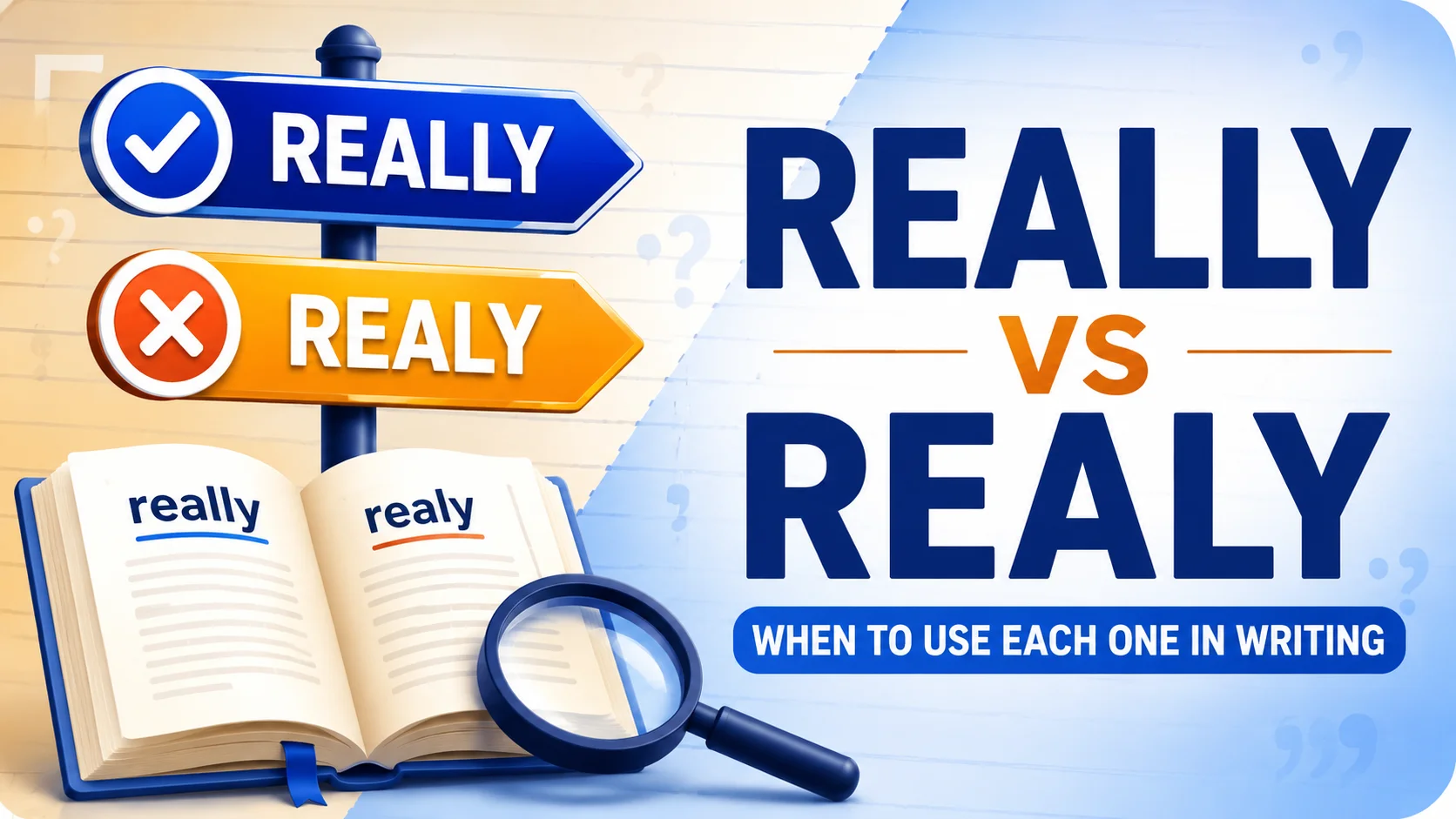
Really vs Realy is a common spelling question that catches writers at every level. Whether you’re drafting an email, writing a school assignment, publishing a … Read More
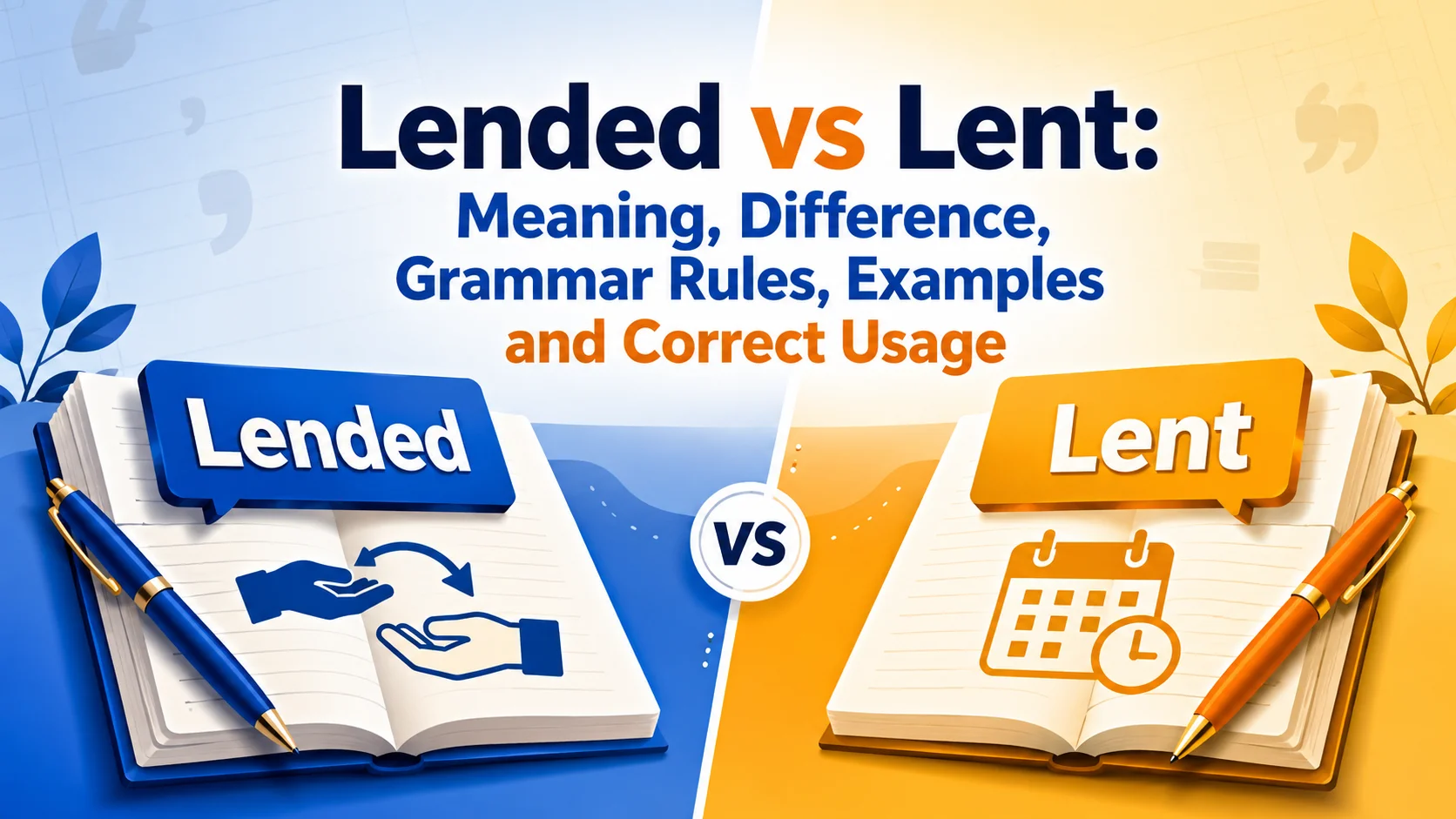
Lended vs. lent can be confusing because English learners often expect the past tense of lend to follow the familiar -ed pattern. After all, we … Read More
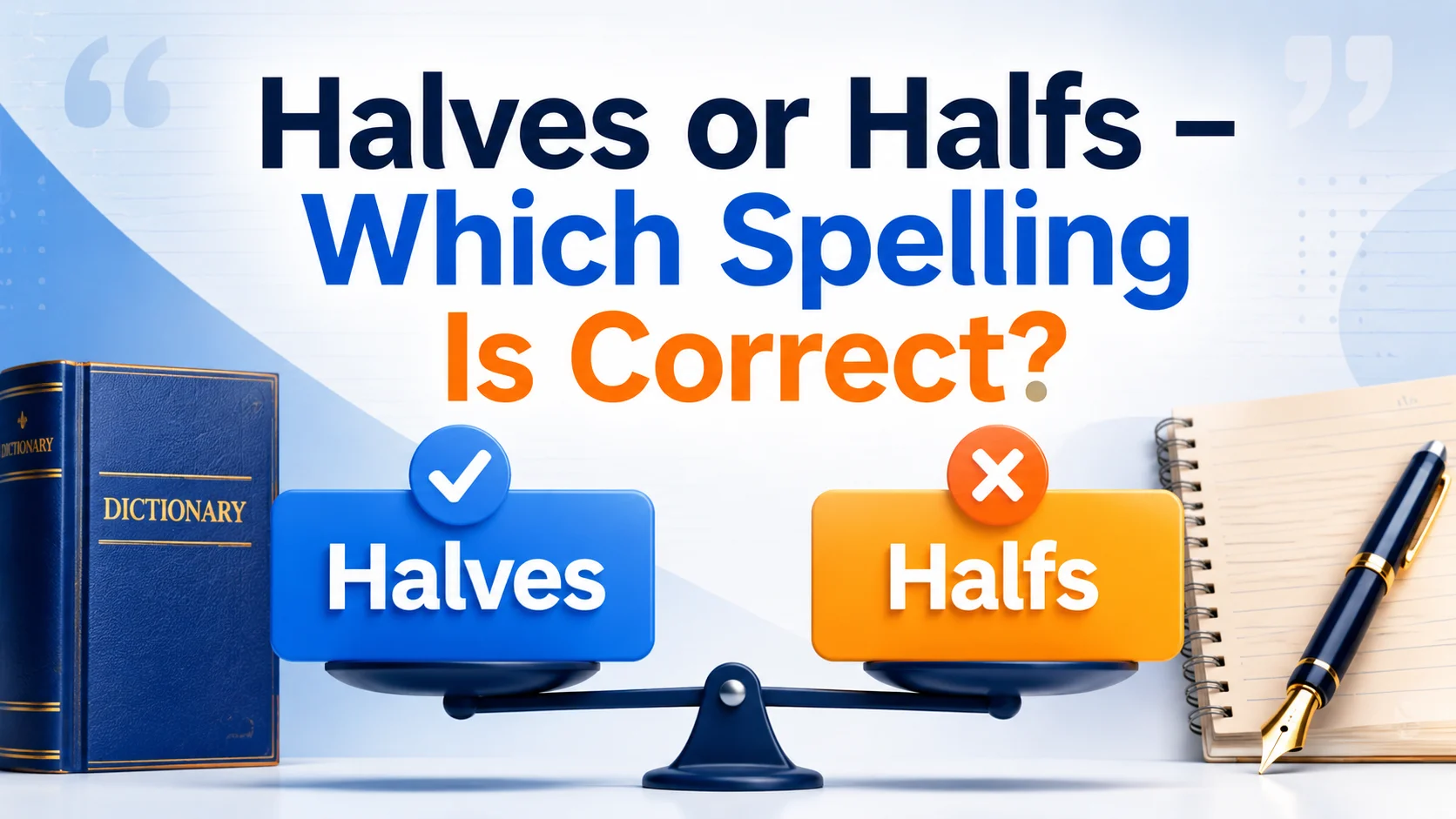
Halves or halfs—which spelling should you use when talking about more than one half? The correct spelling is halves, not halfs. Although adding -s to … Read More
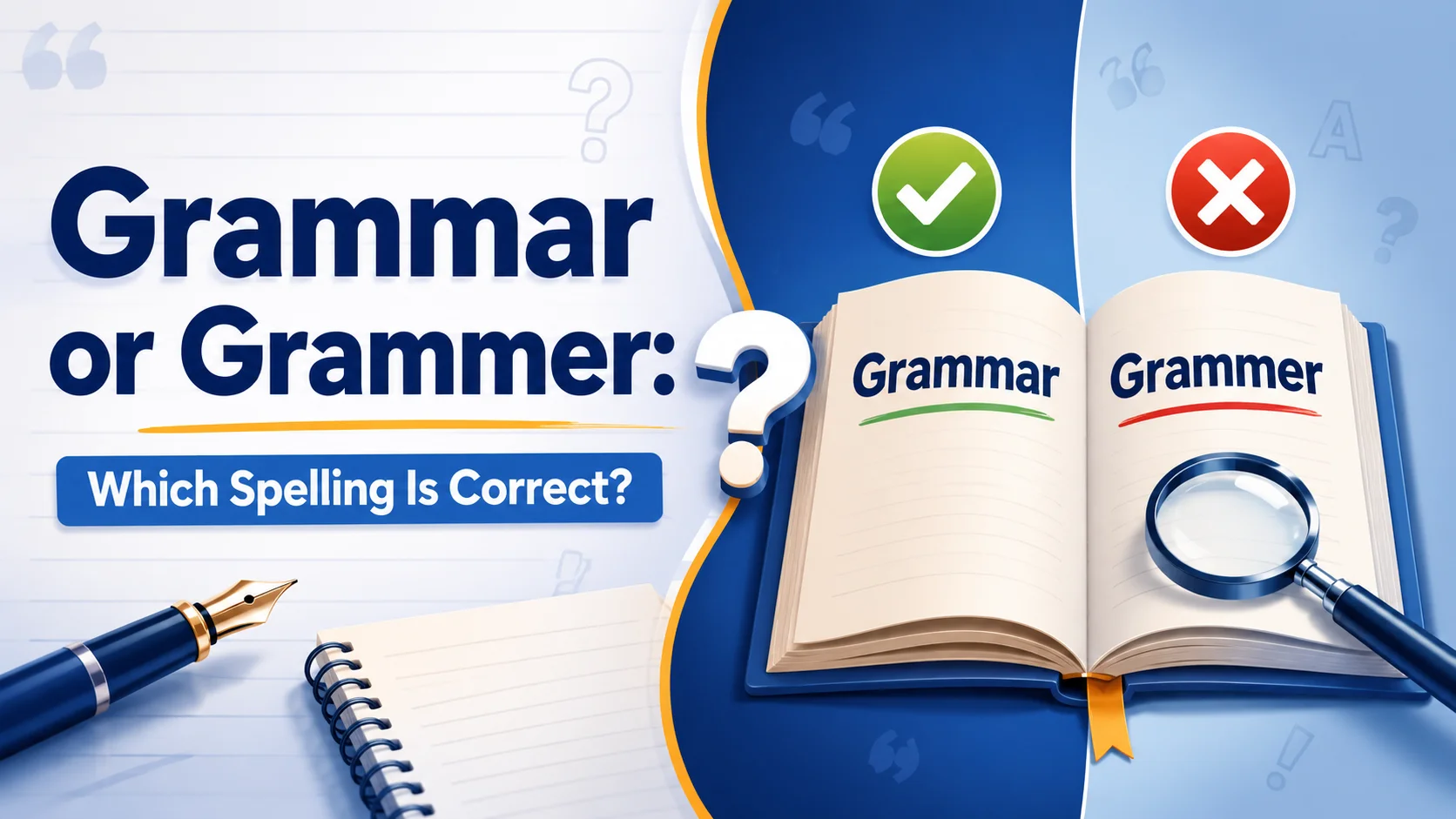
Grammar or Grammer is a common spelling dilemma that catches students, professionals, writers, and even native English speakers off guard. Because both words sound nearly … Read More
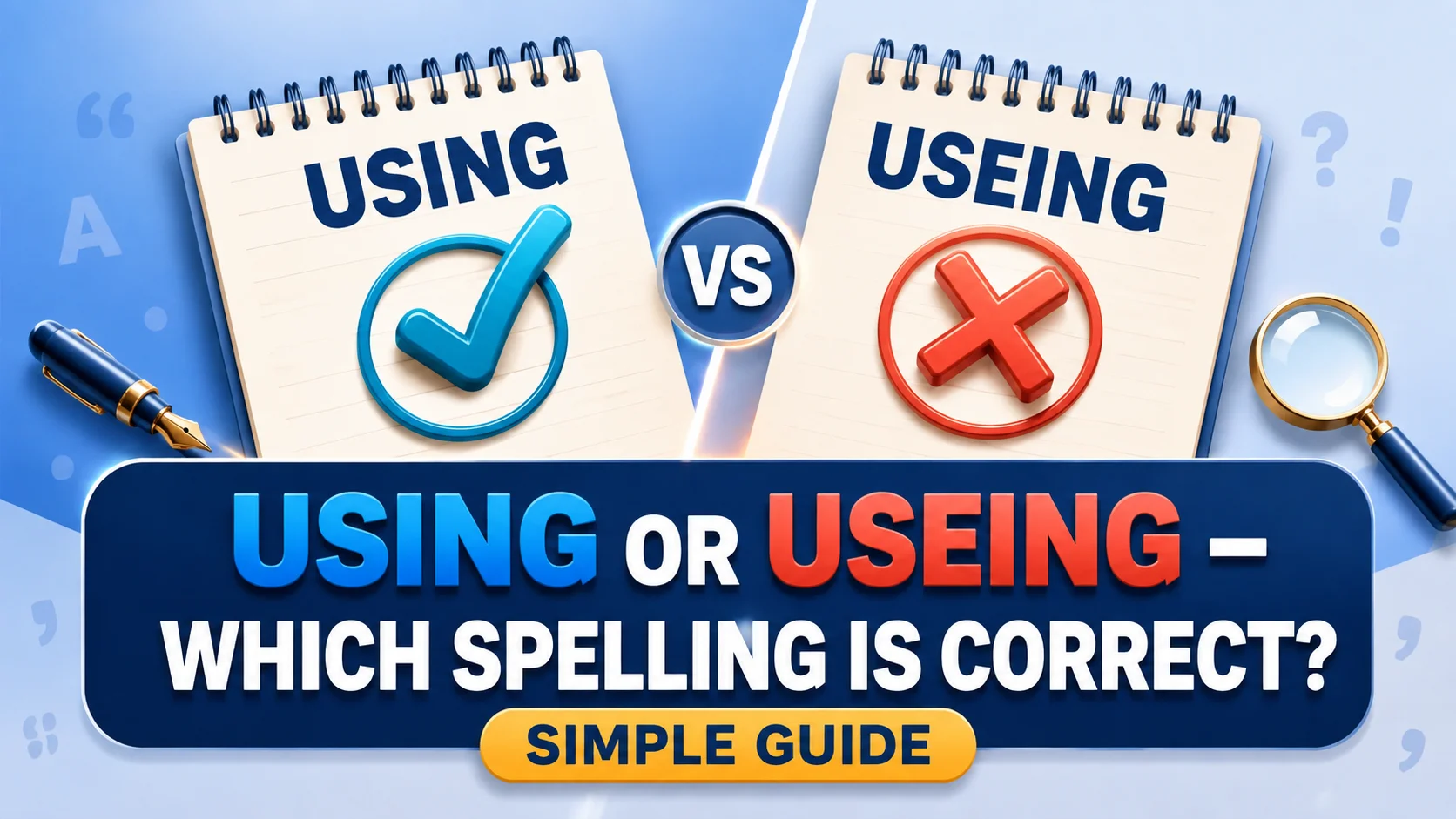
Useing or using? If you have ever hesitated over this spelling, the answer is straightforward: using is the correct form, while useing is a misspelling. … Read More
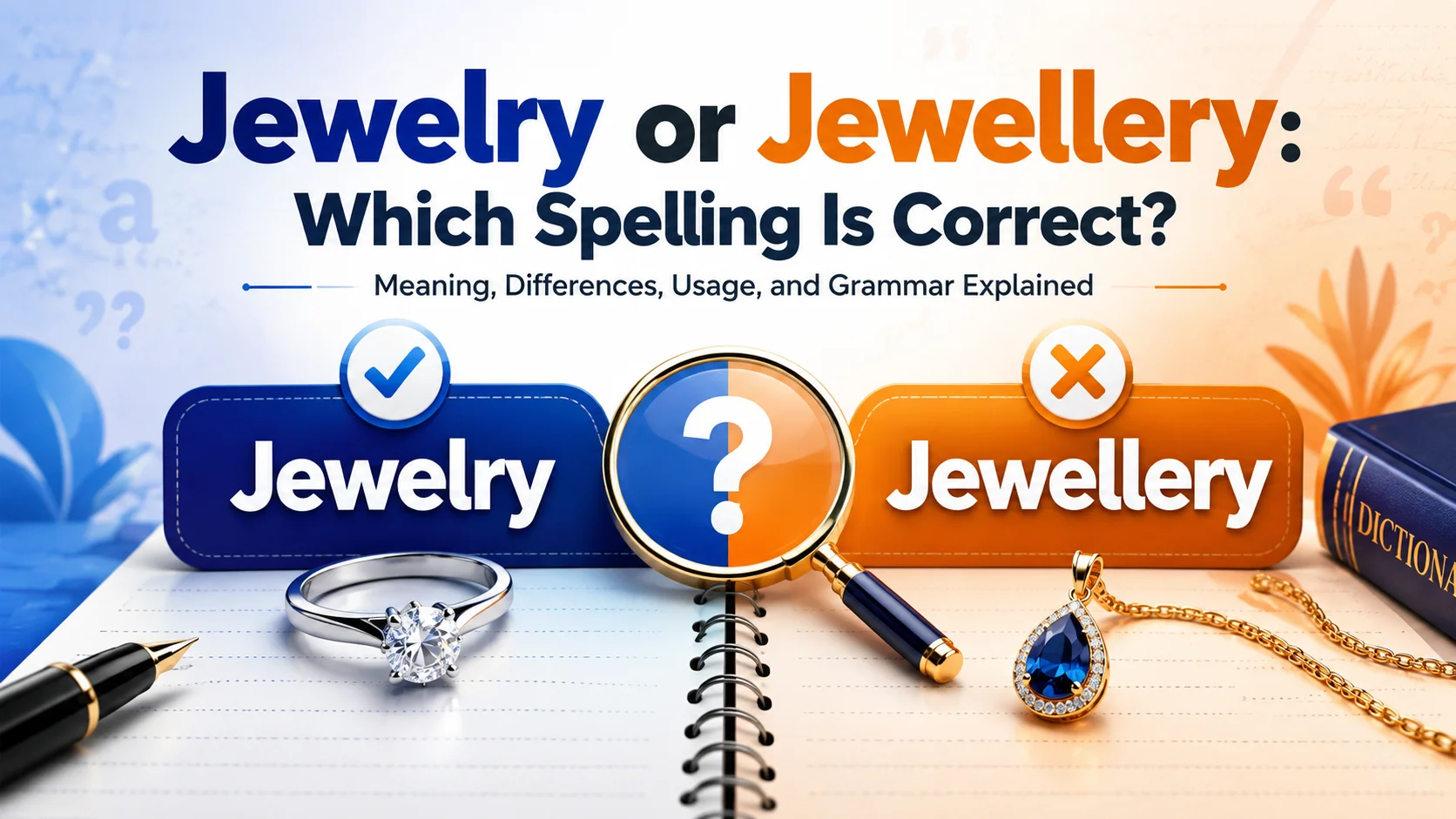
Jewelry or jewellery is a common spelling dilemma that affects students, writers, business owners, and English learners alike. At first glance, the two words appear … Read More
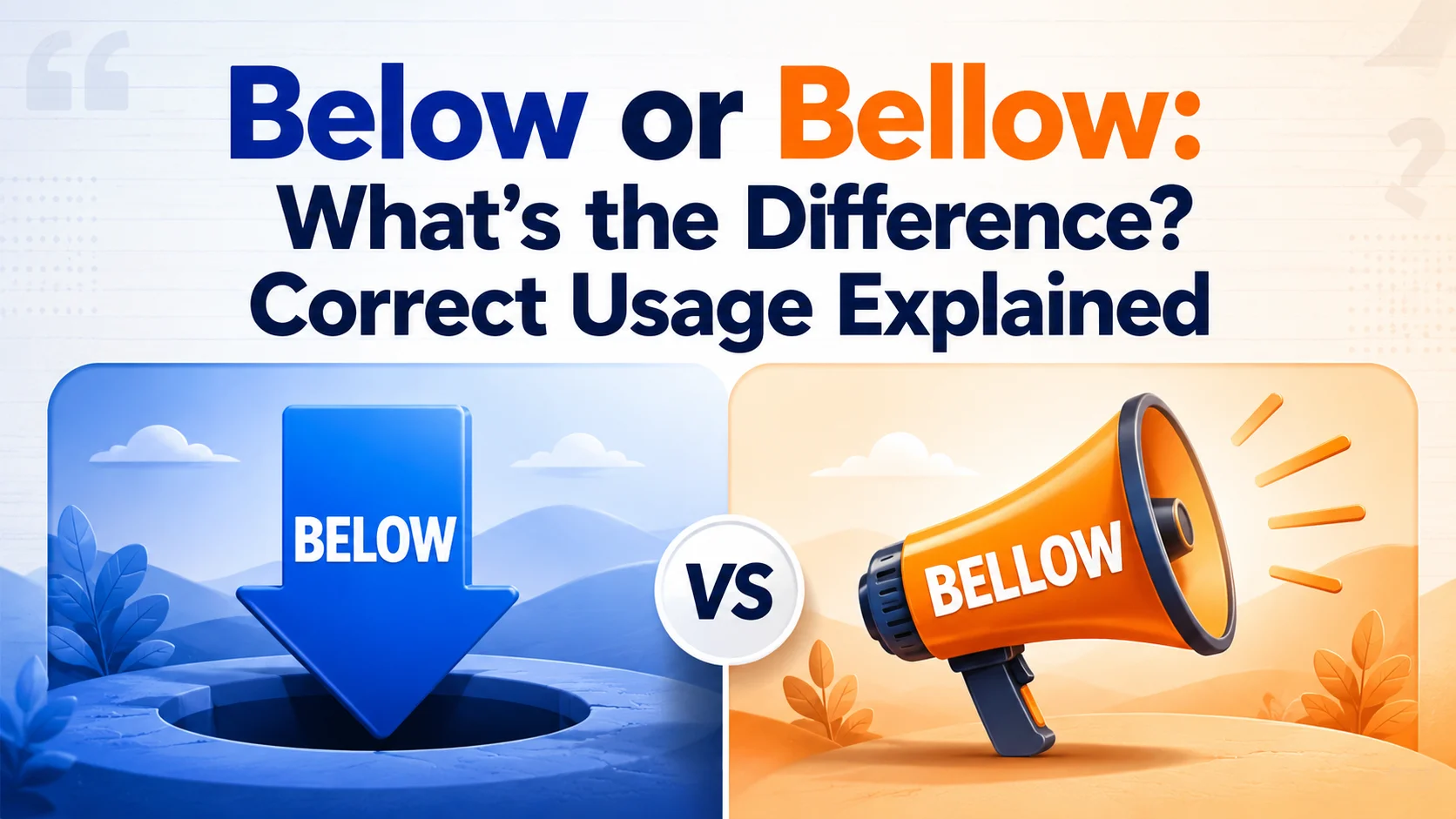
Below or bellow may look like a tiny spelling distinction, but the two words have completely different meanings. Below describes a lower position, level, amount, … Read More
Dammit vs damnit is not really a battle between two words with different meanings. In ordinary English, both spellings represent the same informal exclamation: a … Read More